
Video Footage Raises Urgent Questions About Dog Care at Finike’s Municipal Centre

A Rehabilitation Centre in Name But What Do the Conditions Show?
Recent video footage shared by advocates has brought renewed scrutiny to the animal facility operated by Finike municipality.
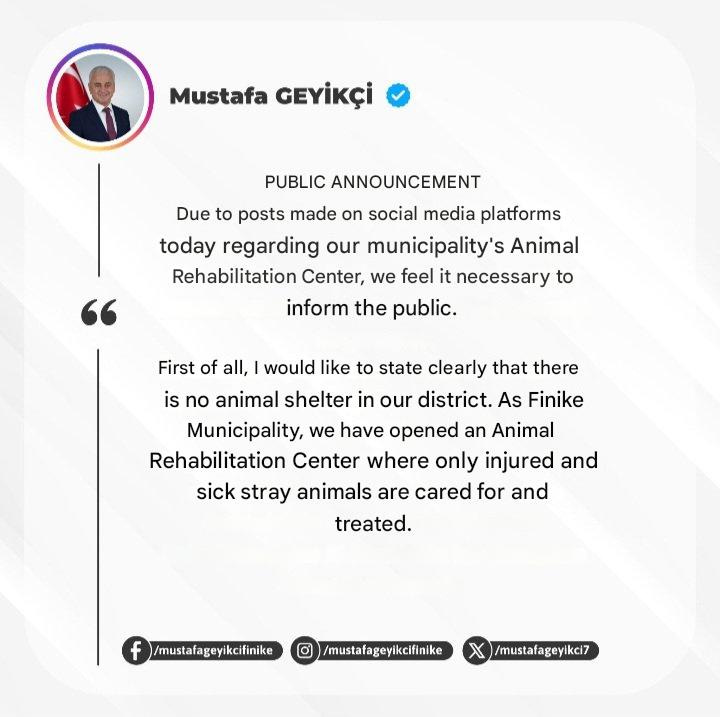
In a public statement, Mayor Mustafa Geyikçi asserted that there is “no animal shelter in our district” and that the municipality operates only an Animal Rehabilitation Center where injured and sick stray animals are cared for and treated.
If that is the case, the conditions visible in the footage demand serious examination.
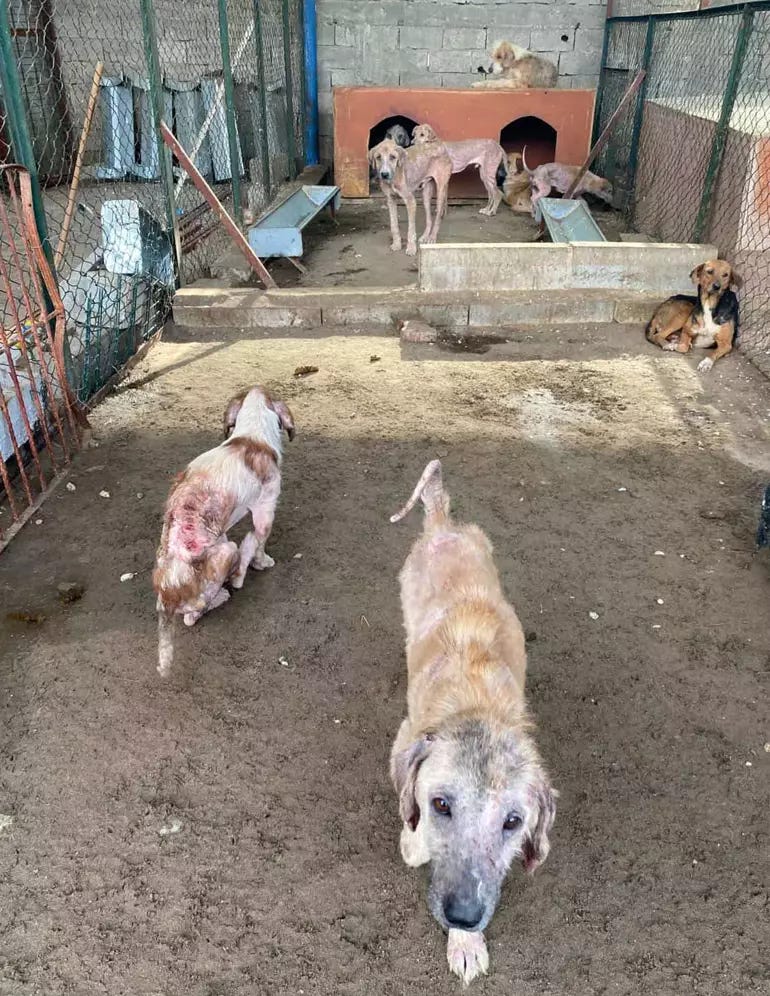
Visible Health Concerns
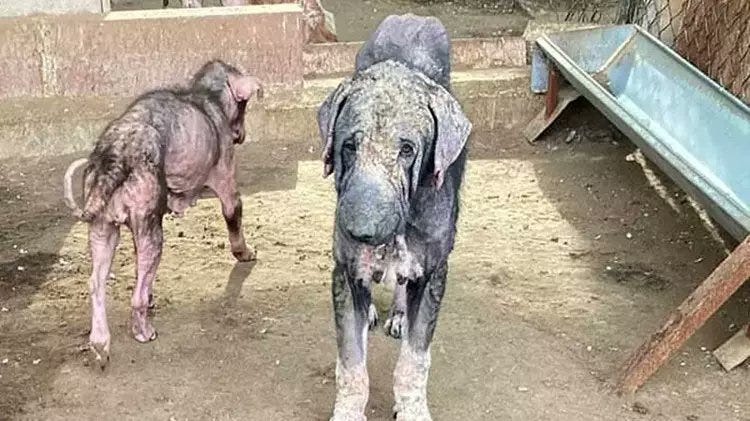
The dogs shown present with:
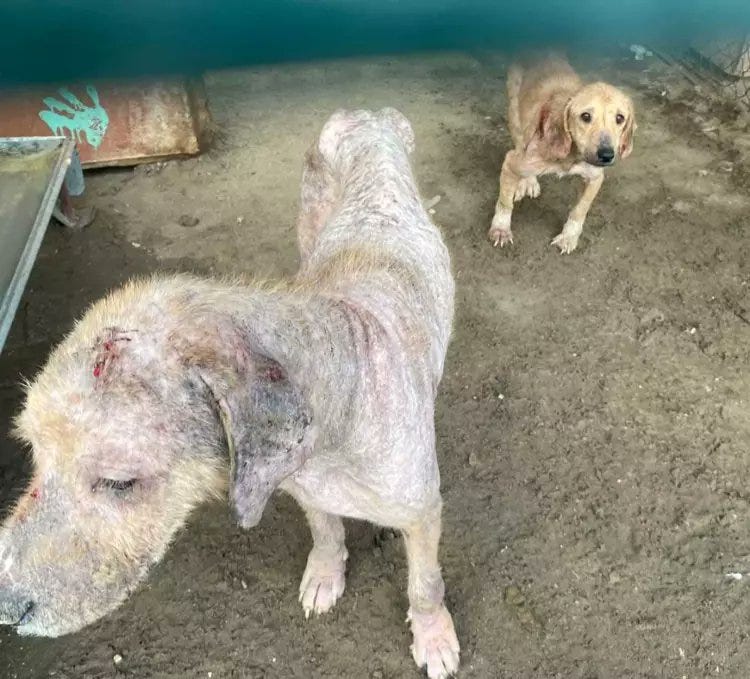
Pronounced weight loss in multiple individuals
Untreated-looking eye infections
Extensive hair loss and advanced skin disease consistent with mange
Numerous animals with similar dermatological deterioration
Sick and visibly healthier dogs housed together
It is reasonable to acknowledge that some animals may arrive already compromised. Street-born dogs often suffer neglect before municipal intake.
However, the concentration and similarity of advanced skin conditions across numerous animals is difficult to ignore. When such patterns appear across a facility whose stated function is medical rehabilitation, questions naturally arise about:
Speed of veterinary triage
Adequacy of treatment protocols
Isolation and infection control measures
Duration of stay
Rehabilitation implies structured medical intervention. It does not imply prolonged visibility of untreated deterioration.
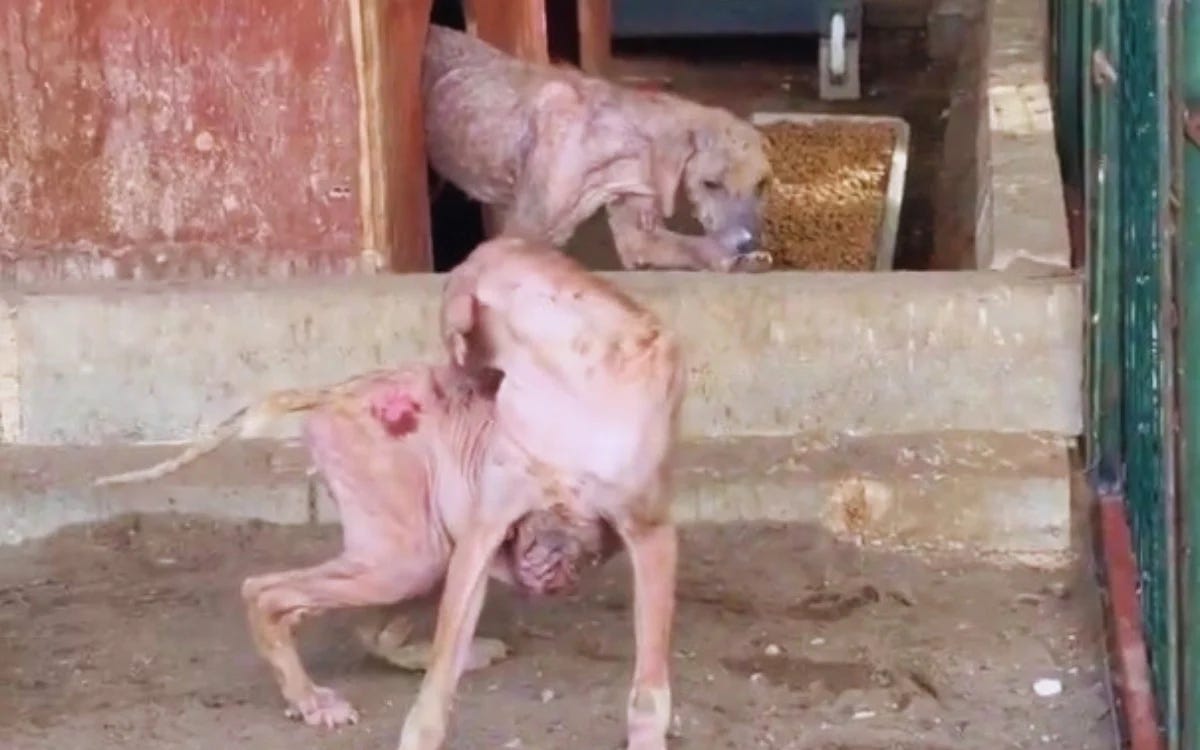
Sanitation and Containment
Effective treatment of mange, parasitic infestation, and ocular infection requires:
Strict kennel hygiene
Routine disinfection
Segregation of infectious cases
Dry, clean recovery areas
The footage suggests unsanitary concrete enclosures and mixed-health housing arrangements. Where sanitation is compromised, medical treatment is undermined.
If a facility houses large numbers of infected animals in shared spaces, cross-contamination becomes predictable not incidental.
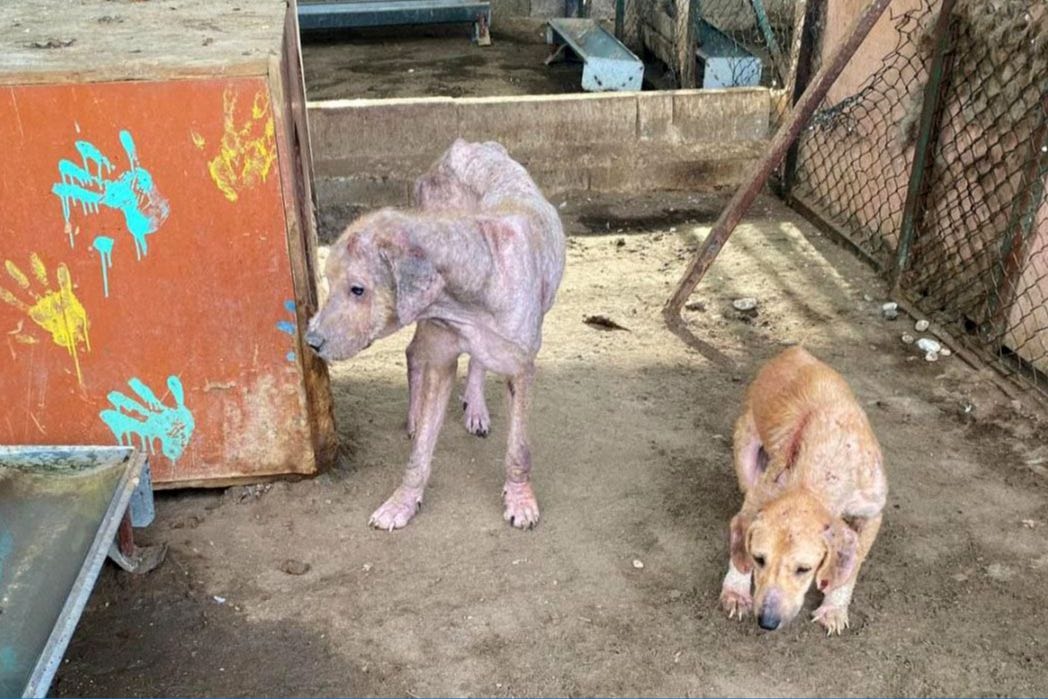
Terminology Versus Function
The municipal statement draws a firm distinction between a shelter and a rehabilitation centre.
Yet the footage shows kennel-style containment of significant numbers of dogs over what appears to be more than short-term emergency holding.
The difference between rehabilitation and warehousing is not rhetorical. It is operational:
Active treatment vs passive containment
Recovery plans vs indefinite holding
Medical oversight vs capacity overflow
If only sick and injured animals are admitted, the visible scale of untreated or advanced illness requires explanation. If animals are being treated, transparency regarding timelines and outcomes would address concern.
Police Questioning of Veterinarians
Reports that two veterinarians connected to the facility were detained for questioning and subsequently released further underscore the seriousness of the situation. Detention does not equate to wrongdoing. However, law enforcement involvement indicates that the allegations were considered significant enough to warrant formal inquiry.
Public confidence requires clarity on:
The scope of that inquiry
Any findings
Any corrective actions taken
The Central Question
If this is a rehabilitation center, why are so many dogs exhibiting advanced dermatological disease in what appear to be unsanitary, mixed-health enclosures?
If intake numbers have exceeded capacity, that should be disclosed.
If treatment is delayed due to resource constraints, that should be acknowledged.
If conditions are temporary, evidence should be provided.
Silence or semantic distinctions do not resolve visible welfare concerns.
Rehabilitation Must Be Fit for Purpose
Based on the video evidence currently in the public domain, the conditions shown do not illustrate an environment consistent with appropriate medical rehabilitation standards.
Medical rehabilitation requires demonstrable sanitation, infection control, segregation of contagious conditions, active veterinary oversight, and visibly structured recovery environments. The footage raises serious doubt as to whether those minimum standards are being met consistently.
If the facility is indeed operating as a medical rehabilitation centre, then it must meet the standards that term implies. Where it cannot do so safely or effectively, animals should be transferred without delay to facilities equipped to provide appropriate veterinary care.
If those standards cannot be guaranteed, continued operation in its current form would be difficult to justify.
The priority must be the welfare of the dogs not the terminology used to describe the building in which they are kept.
Transparent inspection, immediate corrective action, or, where necessary, suspension of operations are proportionate responses when visible conditions call rehabilitation standards into question.
The animals deserve care that is visibly and verifiably therapeutic.